Traditional Apple Cake: Moist and Delicious
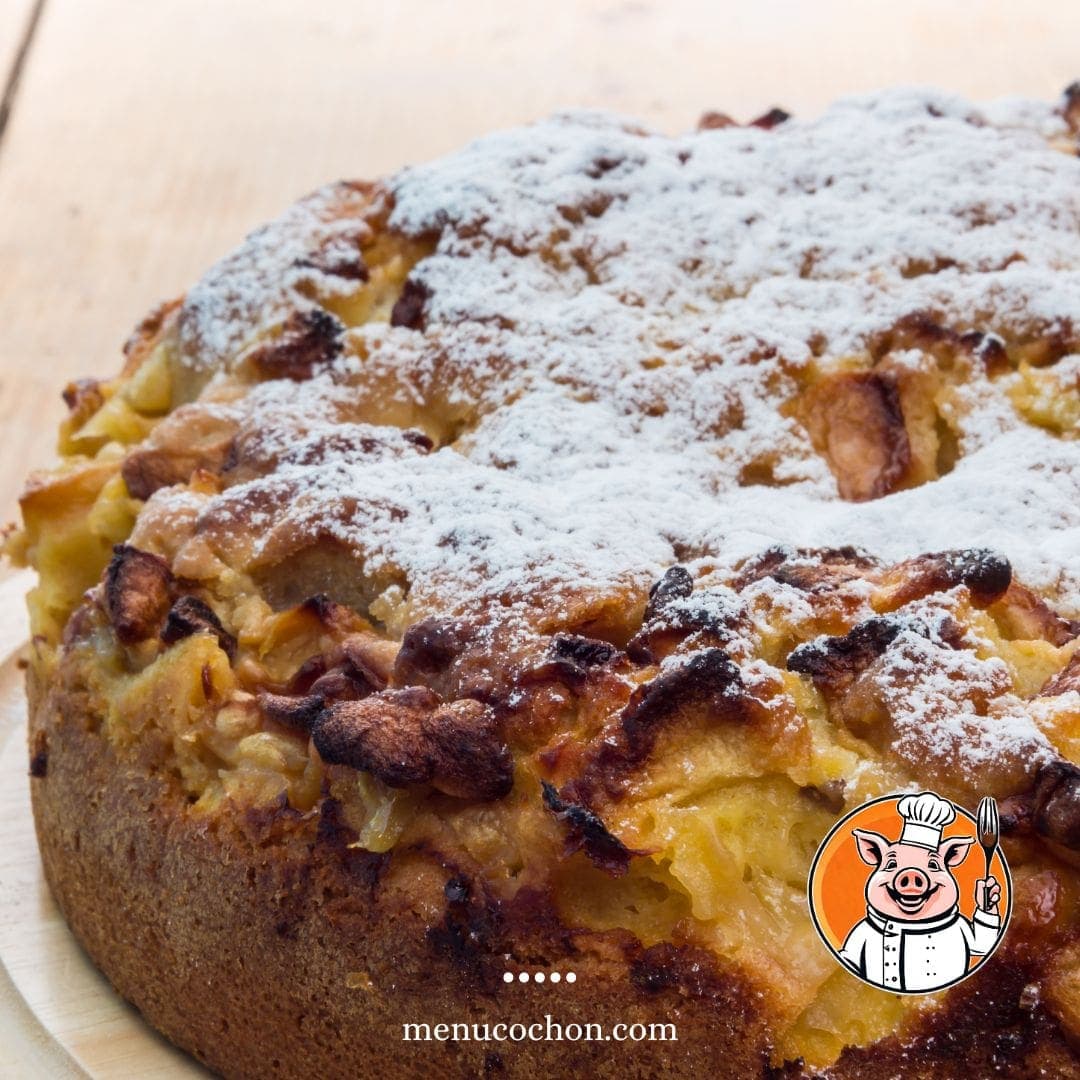
Traditional Apple Cake: Moist and Delicious

Traditional Apple Cake: Moist and Delicious
Ingredients
Instructions
Preparation of the apples
Begin by preheating your oven to 180°C (350°F). While the oven heats up, peel the apples. Cut them into quarters, remove the core and seeds, then finely slice them. You can sprinkle the apple slices with a little lemon juice to prevent browning.
Preparation of the dough
In a large bowl, beat the eggs with sugar until you have a fluffy and slightly whipped mixture. The addition of sugar is crucial as it gives the apple cake a light and airy texture. Add melted butter, vanilla extract, and continue to mix until the preparation is homogeneous. In another bowl, sift together flour, baking powder, and a pinch of salt. If you like cinnamon, this is the time to add it for a delightful apple cake aroma. Gradually incorporate the dry ingredients into the egg and sugar mixture, alternating with milk. This method ensures a smooth batter without lumps.
Incorporation of the apples
Add the apple slices to the dough and mix gently with a spatula. Ensure that the apples are well coated with dough for an even distribution in the apple cake.
Baking
Butter and flour a cake pan (preferably a 24 cm diameter springform pan) to prevent sticking. Pour the batter into the pan and smooth the surface with a spatula. You can arrange some apple slices on top of the cake for an aesthetic touch. Bake the apple cake in the preheated oven at 180°C. Let it bake for about 40 minutes, or until it is golden brown. To check doneness, insert a knife into the center of the cake; it should come out dry. If not, continue baking for a few more minutes.
Finishing and presentation
Once the apple cake is baked, remove it from the oven and let it cool in the pan for 10 minutes before unmolding onto a wire rack. Let it cool completely before dusting with powdered sugar for an elegant presentation.
Our Tips
Chef's tips for making this recipe
Serving Suggestions
Frequently Asked Questions
6 questions about this recipe
To nail Traditional Apple Cake Recipe: Moist and Easy, measure accurately, control heat, and avoid overcooking. Small details like resting time and final seasoning make the biggest difference.
Have you tried this recipe?