Reference

Culinary Glossary

Discover our cooking dictionary to master culinary vocabulary. An essential tool for understanding gastronomic terms.

B19 terms

Bake

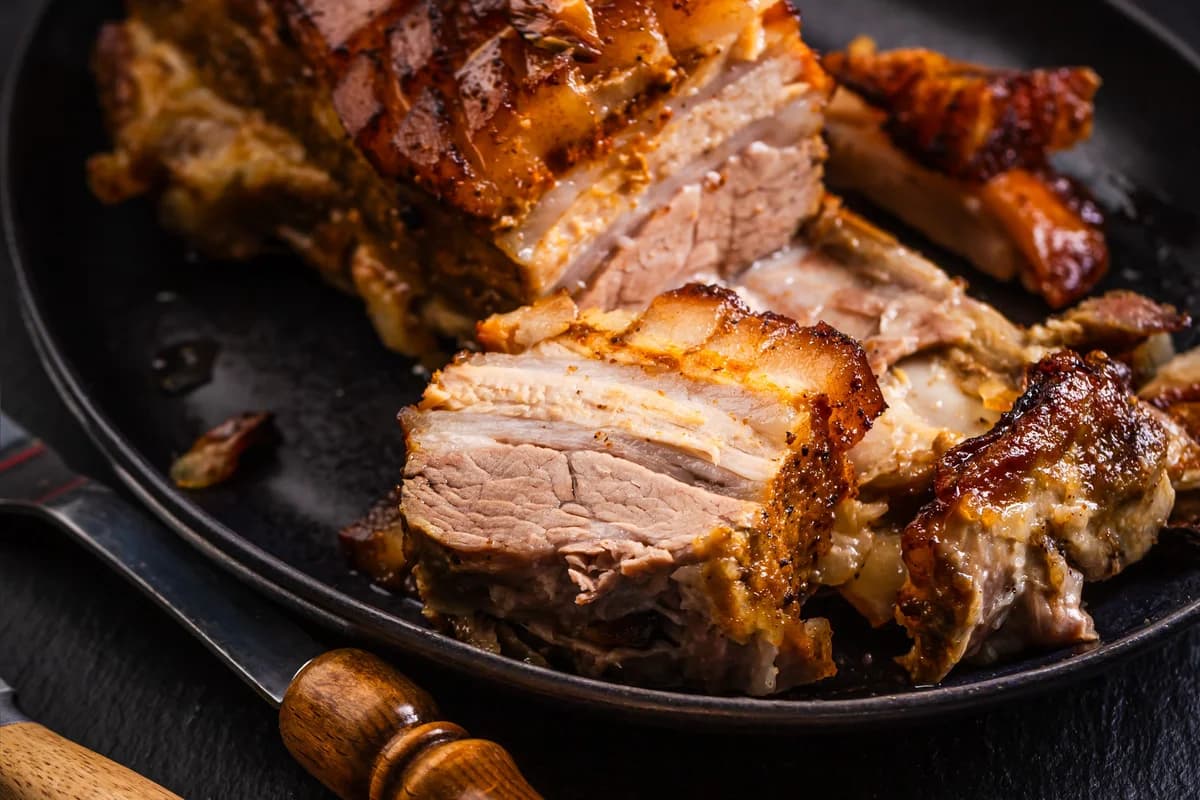
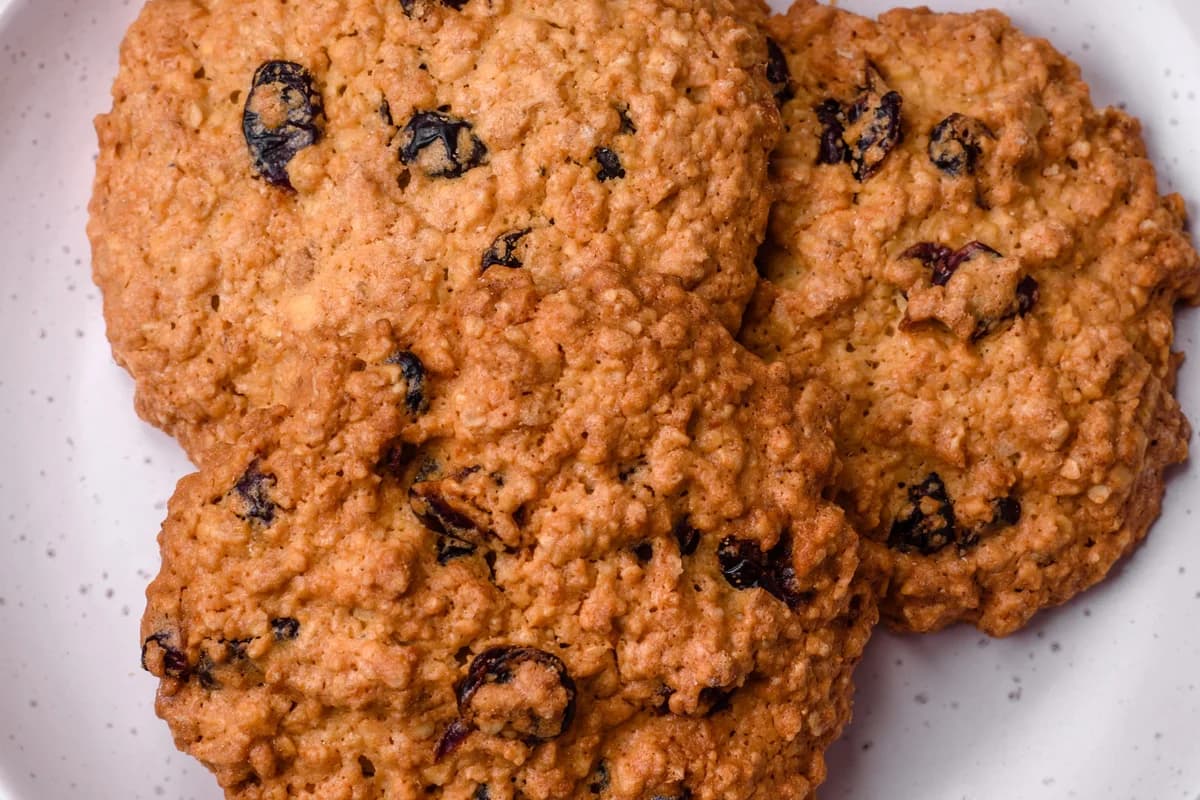
To cook food in an oven.

Baste

To brush or spoon a melted fat (such as butter), a liquid (such as a stock) or a marinade over food as it cooks.

Batter

A mixture that is thin enough to pour or spoon; often made of flour, eggs and milk.

Beat

To stir rapidly by hand or with a mixer to combine ingredients or incorporate air into mixture.

Bind

To add a thickening ingredient such as an egg, flour or cornstarch, to hold ingredients together.

Bite-Sized

To cut or tear food into small enough pieces to eat in one bite.

Blacken

To cook meat or fish in a very hot skillet to give a dark, crispy crust.

Blanch

To immerse food into boiling water for a short time, then transfer to ice water to stop cooking.

Blend

To stir together two or more ingredients until just combined.

Boil

To heat a liquid mixture until bubbles break the surface.

Bone

To remove the bones from poultry, meat or fish.

Braise

To brown meat or vegetables in fat over high heat, then cook slowly in liquid.

Bread

To coat food in a dry ingredient such as flour, bread crumbs, cornmeal or cracker crumbs.

Brine

A strong mixture of water, salt and vinegar used on meats to add flavor, tenderness and moistness.

Broil

To cook directly above or below a heat source in the oven or on the grill.

Broth

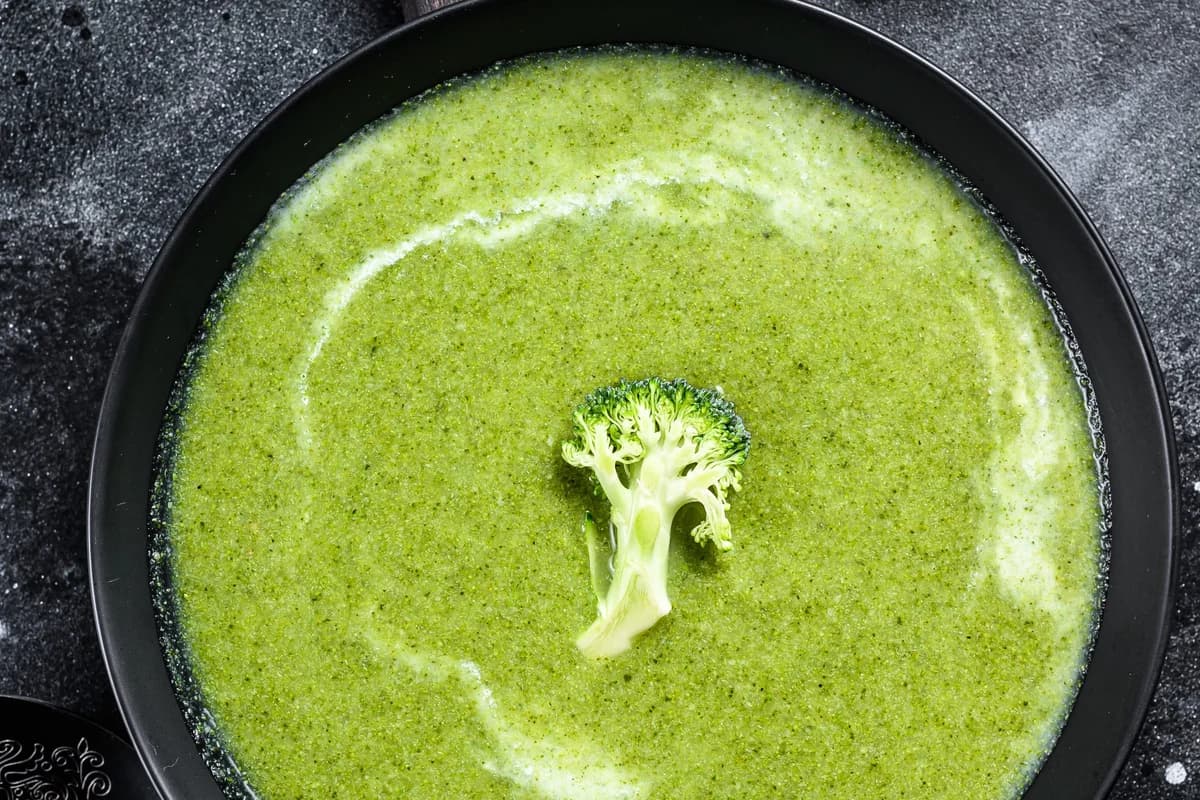
A flavorful liquid made by cooking meat, vegetables or fish in water with seasonings.

Brown

To cook food quickly over high heat to give the surface color and seal in juices.

Brush

To coat a food lightly with a marinade or liquid using a pastry brush.

Butterfly

To cut a food, such as shrimp, down the center, almost but not completely through.

C19 terms

Can

To preserve food by placing it into a glass jar following safe canning procedures.

Caramelize

To heat sugar until it dissolves and turns into golden syrup, or to cook food until soft and brown.

Carve

To cut food into slices (usually meat) using a sharp knife.

Chafe

To keep food warm using a container such as a chafing dish with a heat source underneath.

Chill

To cool food in the refrigerator until completely cooled throughout.

Chop

To cut food into slightly irregular cubes or pieces.

Chunk

To cut food into large pieces, larger than a cube.

Clarify

To remove solids from a liquid to yield a clear liquid, most often used with butter.

Coats a Spoon

To test for doneness; a cooked egg-based mixture leaves a thin layer on a metal spoon.

Coddle

To cook eggs in simmering water, and remove from heat when eggs are cooked as desired.

Combine

To stir two or more ingredients with a spoon, or beat on Low speed with a mixer.

Core

To remove the center of a fruit or vegetable, which contains seeds, with a knife or apple corer.

Cream

To beat together two or more ingredients, such as butter and sugar, until smooth and creamy.

Crimp

To press together two pastry layers on edge of pie crust, creating a decorative edge.

Crumble

To break up into small pieces.

Crush

To reduce to crumbs, powder, or small pieces.

Cube

To cut meat or vegetables into 1/2-inch equal-sided squares.

Curdle

To overcook a mixture, causing it to separate and appear lumpy.

Cut In

To mix a cold fat (such as butter) with flour or dry ingredients until the mixture resembles coarse crumbs.

S37 terms

Sauté

To cook food quickly in a small amount of oil or fat in a skillet until light brown.

Scald

To heat liquid to just below the boiling point until tiny bubbles form around edge.

Score

To cut shallow slashes along the surface of meat to tenderize.

Scramble

To stir gently with a fork or spoon while cooking; often used with eggs.

Sear

To brown meat quickly in a skillet over high heat to seal in meat juices.

Season

To apply a flavor ingredient, such as salt and pepper; also to season cast iron pans.

Seed

To remove the seeds from a fruit or vegetable.

Separate

To divide in half or into parts; sometimes refers to separating egg yolk from white.

Set

To test for doneness when the surface of the food is firm to the touch.

Shave

To slice a very thin layer, such as chocolate, for a garnish.

Shell

To remove the outer covering of foods, such as eggs, nuts, or fresh peas.

Shred

To cut into narrow strips with a shredder or food processor using shredding disk.

Sieve

To strain dry or wet ingredients through the holes of a strainer or sieve.

Sift

To pass an ingredient, such as powdered sugar, through a sieve to make smooth and lump-free.

Simmer

To cook foods gently in a liquid at a low temperature just below boiling point.

Skewer

To thread meat, vegetables or fruit onto metal rods or bamboo sticks for grilling.

Skim

To spoon off top layer of fat, such as for gravy or soup.

Skin

To remove the outer layer on meat, fish, or poultry.

Slice

To cut into thin, flat pieces, or to cut through with a knife.

Sliver

To cut food into long, thin strips.

Snip

To cut with scissors into small pieces, often used with fresh herbs.

Soft Ball Stage

To cook a sugar mixture until a drop forms a soft ball that flattens when removed.

Soft Crack Stage

To cook a sugar mixture until a drop separates into hard threads in cold water.

Soft Peaks

To beat whipping cream or egg whites until peaks curl over when beaters are lifted.

Spread

To cover evenly.

Sprinkle

To scatter lightly.

Steam

To cook on a rack above boiling liquid in a tightly covered pan.

Steep

To soak dry ingredients, such as tea, coffee or spices, in a hot liquid.

Stew

To cook food in enough liquid to barely cover ingredients in a tightly covered pan.

Stiff Peaks

To beat whipping cream or egg whites until peaks stand up straight when beaters lifted.

Stir

To mix ingredients in a circular motion with a spoon.

Stir Constantly

To stir during the entire time the mixture is cooking.

Stir-Fry

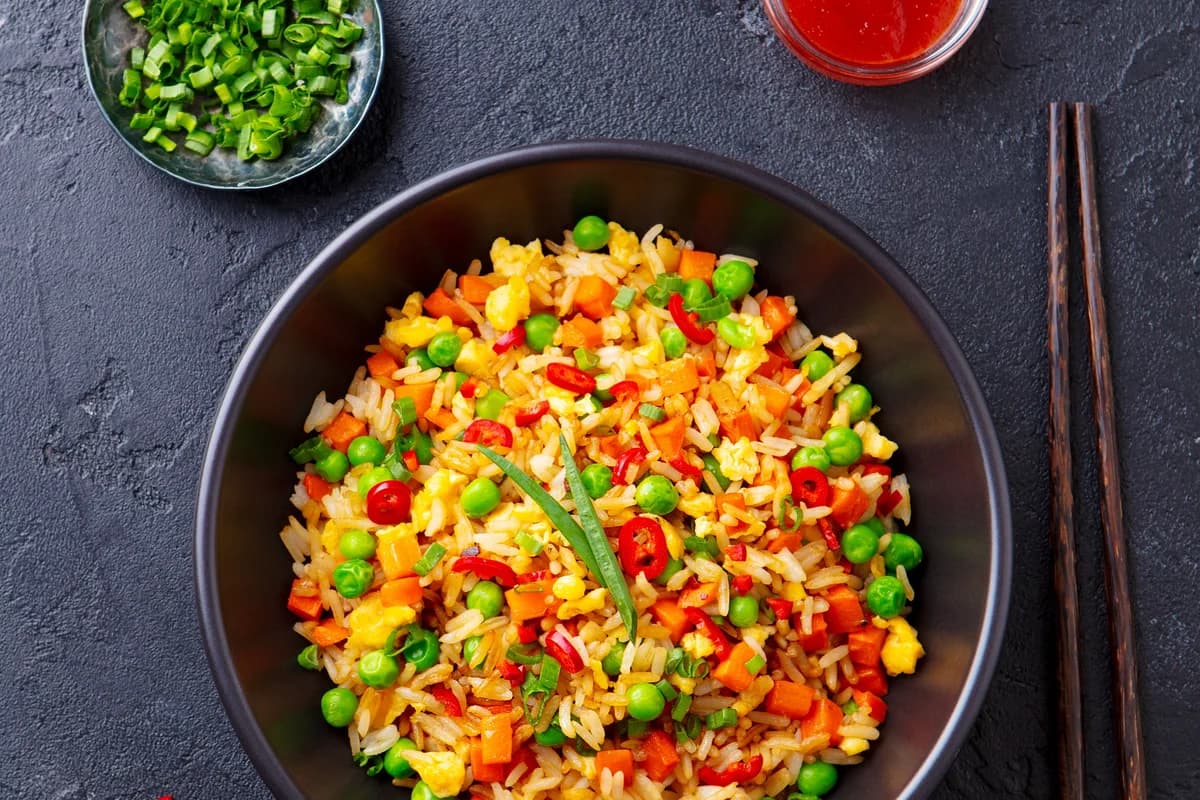
To cook small pieces of food quickly in a large pan over high heat, stirring constantly.

Stock

A well-flavored broth made by simmering meat, poultry, fish or vegetables with herbs.

Strain

To remove any solids from a liquid by pouring through a sieve or colander.

Stuff

To fill a cavity in poultry or a vegetable with a well-seasoned mixture before cooking.

Sweat

To cook vegetables in a small amount of fat over low heat in a covered pan.