Homemade Soft and Golden Bread Loaf

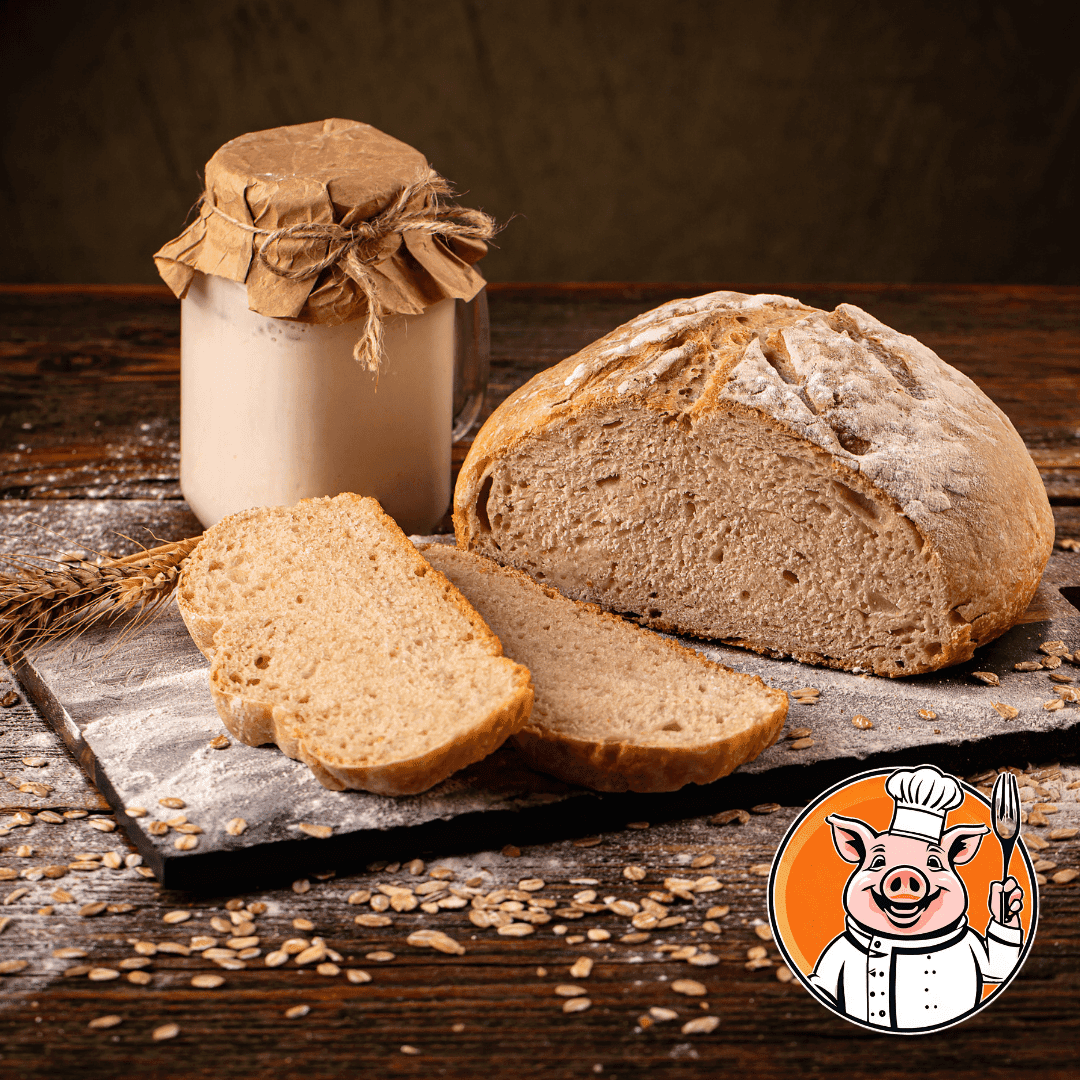
Homemade Soft and Golden Bread Loaf
Homemade Soft and Golden Bread Loaf

Prep20 min
Cook30 min
Servings1
DifficultyMedium
Sébastien RossBy Menucochon|
|Updated: Apr 5, 2026
Baking bread at home carries with it a rich tradition that connects us to the past. It's not merely about mixing ingredients, but about nurturing something that comes to life, watching it rise, and filling your home with its comforting aroma. This is a link to ancestral ways where each household cherished its own secret recipe, passed down through generations. When you make your own bread, you have the opportunity to choose high-quality, local ingredients. You can adapt the recipe to suit your dietary needs or personal tastes, perhaps by using gluten-free flours or adding spices like fennel or cumin for a distinctive flavor. Baking your own bread is also an environmentally friendly choice, reducing unnecessary packaging. Beyond practicality, homemade bread offers a sensory delight. The feel of the dough under your hands, the crackling sound as it cools, and of course, the unparalleled taste of a warm slice with butter or homemade jam. It's a return to simplicity, a chance to disconnect from the fast-paced world and savor the moment. Whether enjoyed at breakfast, as a meal accompaniment, or simply on its own with a good glass of wine, homemade bread provides unmatched comfort.

Ingredients

Servings
1
150 kcal
Preparation

Instructions

0/9
  1. Step 1

    Activate the yeast: In a bowl, combine active dry yeast, sugar, and 100 ml of warm water. Let rest for about 5 to 10 minutes until the mixture becomes frothy. This process activates the yeast and ensures that your homemade bread will rise correctly.

  2. Step 2

    Mix dry ingredients: In a large bowl, combine flour and salt. Make a well in the center, then add olive oil and activated yeast. Start mixing with a wooden spoon or hands.

  3. Step 3

    Add remaining water: Add the rest of the warm water gradually while stirring until you get a homogeneous dough. The dough should be soft and slightly sticky but not too wet.

  4. Step 4

    Knead the dough: Transfer the dough to a lightly floured surface and knead for about 10 minutes. Kneading is essential for developing gluten, which will give your homemade bread its soft texture. You'll know the dough is ready when it becomes elastic and smooth.

  5. Step 5

    First proofing: Place the dough in an oiled bowl and cover with a clean cloth. Let rest in a warm place for about 1 hour or until it doubles in volume.

  6. Step 6

    Shape the loaf: Once the dough has risen, gently press it to deflate. Form a ball with the dough to create your homemade bread loaf. Place the ball on a baking sheet lined with parchment paper or lightly oiled.

  7. Step 7

    Second proofing: Cover the loaf with a clean cloth and let rest for an additional 30 minutes. During this time, preheat your oven to 220°C (425°F).

  8. Step 8

    Baking: Just before baking, you can lightly dust the loaf with flour for a nice crust and score the top with a sharp knife to allow steam to escape during baking. Bake the homemade bread for 25 to 30 minutes or until it is golden brown and tapping on the bottom produces a hollow sound.

  9. Step 9

    Cooling: Remove the loaf from the oven and let cool on a wire rack before slicing.

Partnership

Advertise on Menucochon?

Reach thousands of Quebec cuisine enthusiasts.

Learn more
💡

Our Tips

Chef's tips for making this recipe

For those looking to add variety to their bread, consider incorporating fresh herbs like rosemary or thyme into your dough. These aromatics bring a refreshing and complex flavor to your bread, making it even more irresistible. Another tip for texture lovers is to include seeds such as flax, sunflower, or poppy seeds. They not only add a delightful crunch but are also a great source of nutrients. If you have a sweet tooth, think about adding raisins, dried cranberries, or even chocolate chunks for a dessert version of your bread. For optimal storage, keep your bread in a clean cloth or cotton bag to prevent it from drying out too quickly. Avoid refrigerating it, as this speeds up staleness. If you have too much bread, feel free to freeze it in slices to enjoy whenever needed.

Serving Suggestions

By baking your own bread, you create more than just a basic staple; you engage in a creative and respectful process where each loaf reflects your choices and craftsmanship. This is an activity that can be shared with family, inviting both young and old to partake in the joy of baking together. Moreover, homemade bread is versatile, suited for any occasion: from convivial meals with friends to solitary moments where a slice is savored with a book in hand. Let's not forget the incredible pairings it facilitates: serve it with local cheese and a good glass of wine for a successful appetizer. Ultimately, each batch is a new culinary adventure. So, tie on your apron and let yourself be enchanted by the timeless allure of homemade bread!

Frequently Asked Questions

2 questions about this recipe

If you want a loaf of bread even crispier, place a small bowl of water at the bottom of the oven during baking to create steam. This will help form a thicker and crispier crust.

Have you tried this recipe?
Comments (0)

Log in to leave a comment

Log in

Skill Progression

Explore More

More recipes in